
Modern Advances in Podiatry: From 3D-Printed Orthotics to Minimally Invasive Surgery
Discover how cutting-edge technology is transforming foot and ankle care. Learn about 3D-printed custom orthotics, advanced bracing systems, and the benefits of minimally invasive surgical techniques for faster recovery and better patient outcomes.
The Evolution of Modern Podiatric Care
The field of podiatry has undergone a significant transformation in recent years, moving away from traditional, invasive methods toward high-tech, precision-based solutions. At Eskander Foot & Ankle, Dr. Andrew N. Eskander, DPM, and our team stay at the forefront of these advancements to ensure patients in Irvine and the surrounding communities receive the most effective care possible. Modern technology allows for more accurate diagnoses, personalized treatments, and significantly shorter recovery times.
Precision Orthotics and 3D Scanning
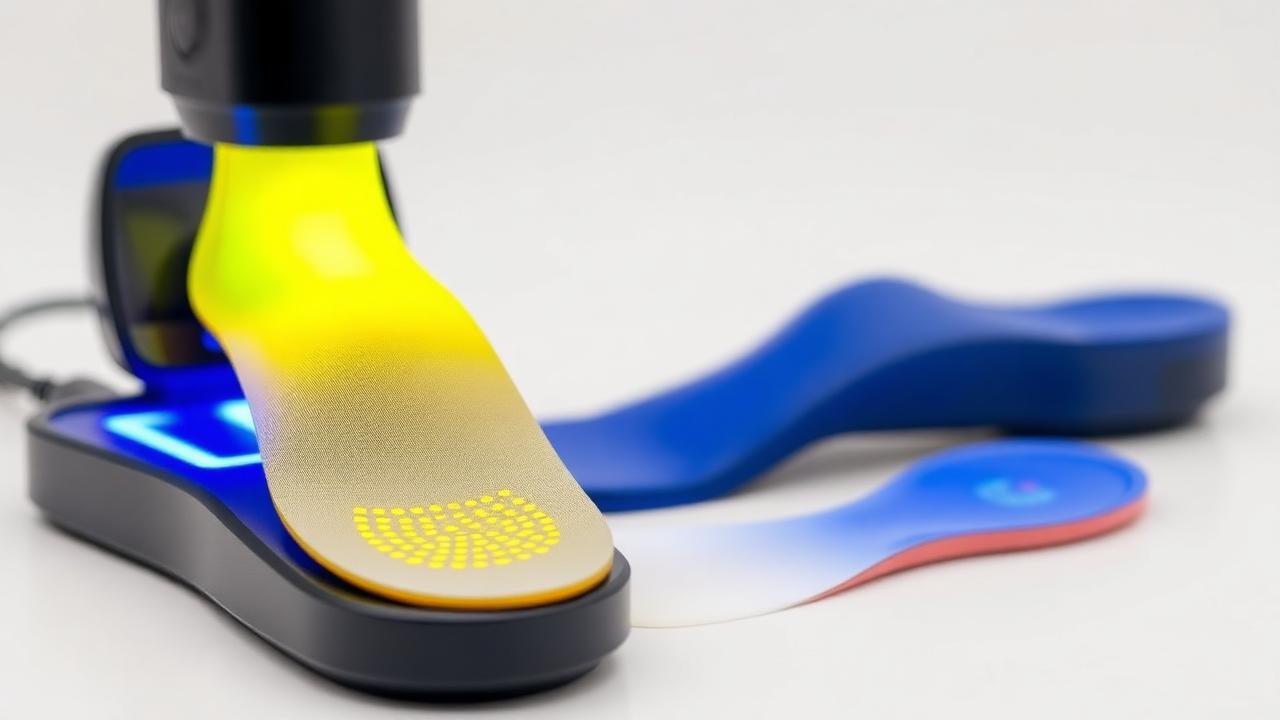
Custom orthotics have long been a cornerstone of podiatric treatment for conditions like plantar fasciitis, flat feet, and high arches. However, the process of creating them has evolved from messy plaster casts to high-definition 3D digital scanning.
- Digital Precision: 3D scanners capture the exact contours of the foot with sub-millimeter accuracy, eliminating the human error often associated with manual molds.
- Advanced Materials: Modern orthotics utilize lightweight, durable polymers and carbon fiber. These materials provide the necessary structural support while remaining thin enough to fit into a wider variety of footwear.
- Functional Customization: Unlike over-the-counter inserts, these devices are engineered based on dynamic gait analysis, addressing how your foot moves during a stride rather than just its static shape.
Innovative Bracing and Support Systems
For patients dealing with chronic instability, drop foot, or severe tendonitis, traditional bulky braces are being replaced by streamlined, functional devices. New bracing technology focuses on "dynamic support," which assists movement rather than simply immobilizing the limb. This is particularly beneficial for active individuals who need to maintain mobility while protecting a healing injury. These modern braces often incorporate moisture-wicking fabrics and adjustable tension systems to improve patient compliance and comfort.
Minimally Invasive Surgery (MIS)
Perhaps the most significant leap in podiatric medicine is the rise of Minimally Invasive Surgery (MIS). Traditionally, correcting a bunion or hammertoe required large incisions, significant tissue disruption, and a long recovery period. Today, many of these procedures can be performed through tiny "keyhole" incisions.
Benefits of Minimally Invasive Techniques:
- Reduced Scarring: Smaller incisions mean minimal visible scarring after the healing process is complete.
- Less Post-Operative Pain: Because there is less disruption to the surrounding soft tissues and nerves, patients typically report lower pain levels.
- Faster Recovery: Many MIS patients can return to weight-bearing activities much sooner than those undergoing traditional open surgery.
- Lower Infection Risk: Smaller wounds are generally less susceptible to post-surgical complications.
Common conditions now treated with MIS include bunions (hallux valgus), hammertoes, and certain types of heel spurs. By using specialized micro-instruments and real-time imaging (fluoroscopy), podiatrists can achieve precise structural corrections with minimal trauma to the foot.
Advanced Diagnostic Tools
Modern technology isn't just for treatment; it has also revolutionized how we identify the root cause of foot pain. High-resolution musculoskeletal ultrasound allows for real-time visualization of tendons, ligaments, and nerves without the radiation exposure of X-rays. This is invaluable for diagnosing conditions like Morton’s neuroma or small tendon tears that might not appear on a standard radiograph.
When to See a Podiatrist
If you are experiencing persistent foot or ankle discomfort, it is important to seek a professional evaluation to see if these modern technologies can benefit you. You should schedule a consultation if you notice:
- Chronic heel pain that does not improve with rest.
- Visible deformities such as bunions or shifting toes.
- Numbness, tingling, or burning sensations in the feet.
- Difficulty finding comfortable shoes due to foot shape.
- An injury that results in swelling, bruising, or inability to bear weight.
Educational Disclaimer
This article is for educational purposes only and does not constitute medical advice. Every patient’s condition is unique, and the suitability of specific technologies or surgical procedures must be determined during a clinical evaluation. For personalized care and to discuss the latest treatment options for your foot and ankle health, please consult with Dr. Andrew N. Eskander, DPM, at Eskander Foot & Ankle.