Ingrown Toenails: Prevention, Home Care, and When Surgery is Needed
Learn how to identify, treat, and prevent ingrown toenails. This guide covers safe home care practices, common causes like improper trimming, and when professional podiatric intervention or surgery is necessary to prevent infection.
Understanding Ingrown Toenails (Onychocryptosis)
An ingrown toenail, medically known as onychocryptosis, occurs when the corner or side of a toenail grows into the soft flesh of the toe. This common condition most frequently affects the big toe and can result in significant pain, redness, swelling, and, if left untreated, serious infection. At Eskander Foot & Ankle in Irvine, we often see patients who have attempted to manage this condition at home, only to find that the nail continues to recur or becomes increasingly painful.
Common Causes of Ingrown Toenails
Several factors contribute to the development of ingrown nails. Understanding these causes is the first step toward effective prevention:
- Improper Trimming: Cutting toenails too short or rounding the edges encourages the nail to grow into the skin.
- Ill-fitting Footwear: Shoes that are too tight or narrow in the toe box put pressure on the nails, forcing them into the surrounding tissue.
- Trauma: Stubbing your toe or having a heavy object fall on your foot can damage the nail and change its growth pattern.
- Heredity: Some individuals are genetically predisposed to curved or "pincer" nails that naturally dive into the skin.
- Poor Foot Hygiene: Excessive moisture or fungal infections can soften the nail and skin, making it easier for the nail to penetrate the flesh.
Safe Home Care and First Aid
If you catch an ingrown toenail in its early stages—before there is pus, severe warmth, or spreading redness—you may be able to manage it at home. The goal of home care is to reduce inflammation and prevent the nail from digging deeper.
- Warm Salt Soaks: Soak the affected foot in warm water mixed with Epsom salts for 15 to 20 minutes, three times a day. This softens the skin and reduces swelling.
- Keep it Dry: After soaking, dry the foot thoroughly. Moisture can encourage bacterial growth.
- Antibiotic Ointment: Apply a thin layer of over-the-counter antibiotic ointment and cover the area with a clean bandage.
- Sensible Footwear: Wear open-toed shoes or sandals until the inflammation subsides to eliminate pressure on the toe.
- Pain Management: Over-the-counter anti-inflammatory medications may help manage discomfort, provided they are safe for your specific health profile.
Important Warning: Never attempt "bathroom surgery." Do not use non-sterile tools like sewing needles or tweezers to dig out the nail. This significantly increases the risk of a deep tissue infection (cellulitis).
When to See a Podiatrist
While minor irritation might resolve with soaking, certain symptoms indicate that professional medical intervention is required. You should contact Dr. Andrew N. Eskander if you experience:
- Signs of Infection: This includes pus drainage, throbbing pain, increasing redness, or a foul odor.
- Fever: If a toe injury is accompanied by a fever, the infection may be spreading.
- Diabetes or Poor Circulation: Patients with diabetes, peripheral neuropathy, or vascular disease should never attempt home care for an ingrown nail. Even a minor nick can lead to a non-healing ulcer or serious complications.
- Recurrence: If the nail grows back into the skin repeatedly, a permanent solution is needed.
- Granulation Tissue: This is an overgrowth of red, fleshy tissue that forms over the edge of the nail in response to chronic irritation.
Professional Treatment and Surgical Options
When home care is insufficient, a podiatrist can provide relief through several clinical methods. The most common approach is a Partial Nail Avulsion. During this minor in-office procedure, the toe is numbed with a local anesthetic, and the offending edge of the nail is carefully removed.
For patients with chronic, recurring ingrown nails, a Matrixectomy may be recommended. After removing the ingrown portion, the podiatrist applies a chemical (usually phenol) to the nail root (matrix). This prevents that specific section of the nail from ever growing back, providing a permanent solution to the problem. These procedures typically involve minimal downtime, and most patients return to normal activities within a day or two.
Prevention Strategies
To avoid the return of ingrown toenails, follow these practical tips:
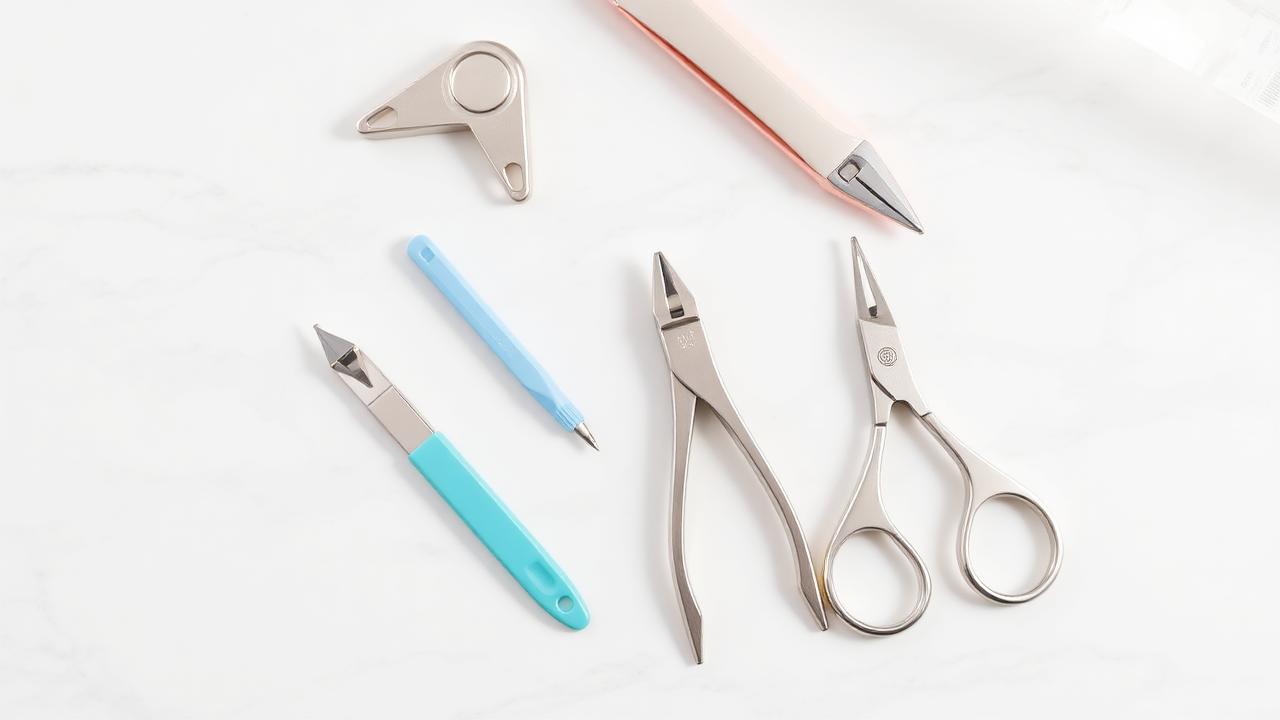
- Trim Straight Across: Do not follow the curve of the toe. Use long-handled toenail clippers designed for a straight cut.
- Check Your Shoes: Ensure there is a thumb’s width of space between your longest toe and the end of your shoe. Avoid high heels that shift weight onto the toes.
- Protect Your Feet: If you work in an environment with heavy equipment, wear steel-toed boots to prevent trauma.
- Inspect Daily: If you have decreased sensation in your feet, use a mirror to check for redness or swelling every evening.
Disclaimer: This article is for educational purposes only and does not constitute medical advice. It is not a substitute for professional diagnosis or treatment from Dr. Andrew N. Eskander, DPM, or another qualified healthcare provider.